

Navigating the Transition from Elementary to Middle School with Dyslexia
Navigating the transition from elementary to middle school can be daunting for any child, but for a child with Dyslexia, the challenges can feel even more overwhelming. The shift from a single primary classroom teacher to multiple teachers, changing classes, managing lockers, and adapting to more complex schedules can create confusion and stress. This was a significant moment in my journey, not only as a parent but as an advocate, and it’s what ultimately led me to become a Dyslexia Advocate and start the Dyslexia Advocacy Center.
Here are some tips to help you, your child, and your family navigate this transition smoothly while ensuring continued support for your child's dyslexia:
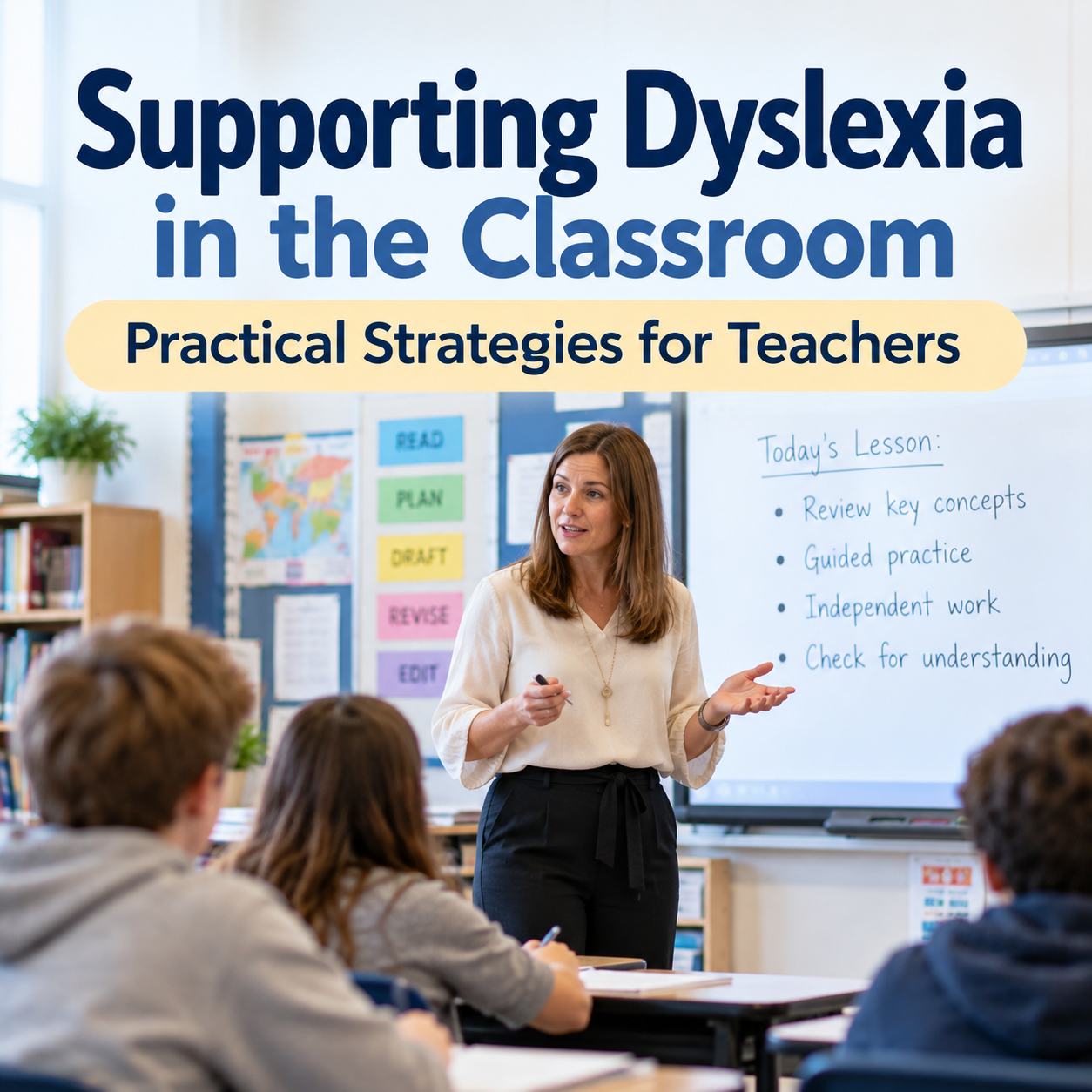
Supporting Dyslexia in the Classroom: Practical Strategies Teachers Can Use Every Day
Supporting students with Dyslexia in the classroom starts with practical strategies teachers can use every day. This article provides actionable tips for making reading and writing assignments more accessible, implementing IEP and 504 accommodations, using assistive technology, and helping students demonstrate what they know. With real classroom examples and simple adjustments, general education teachers can better support students with Dyslexia across all grade levels.

IEP Accommodations for Dyslexia
For students with dyslexia, an Individualized Education Plan (IEP) is key to ensuring they receive the appropriate support needed to succeed in school. One important aspect of an IEP is the inclusion of accommodations—adjustments that help level the playing field, allowing students with learning differences to access the curriculum and demonstrate their knowledge without changing the academic standards.

SMART IEP GOALS
When it comes to creating an Individualized Education Plan (IEP) for a student with dyslexia, setting clear and achievable goals is crucial to their academic success. One of the most effective methods for goal-setting in an IEP is to use the SMART framework.